

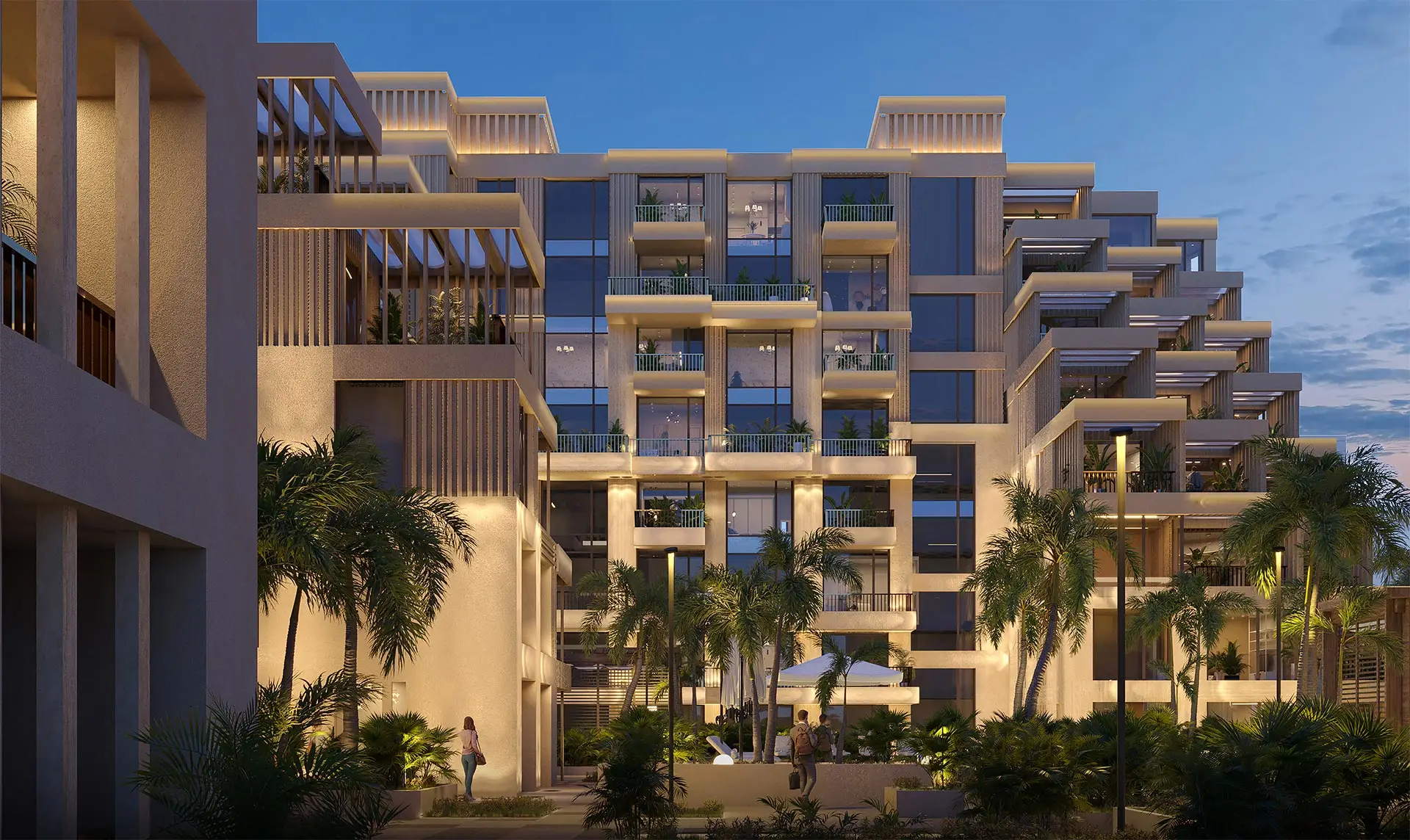
Great Neighbourhoods Are Designed to Grow
Cities are constantly evolving.
New roads are built, public transport expands, parks mature, businesses relocate and communities develop their own identity over time. While every neighbourhood changes, not all change in the same way.
Some places become more desirable with each passing year. Others struggle to maintain the momentum they once enjoyed.
The difference rarely comes down to chance. It is the result of long-term planning, investment and an understanding of how people want to live. The neighbourhoods that continue to thrive are those designed to evolve alongside the city, creating value not only for today’s residents but for future generations.
Growth Is More Than New Buildings
It is easy to associate growth with construction cranes and new developments, but successful neighbourhoods are shaped by far more than buildings alone.
A thriving district depends on the relationship between homes, transport, public spaces, schools, retail, healthcare and leisure. Each element strengthens the others, creating places where people choose to build their lives rather than simply own property.
As neighbourhoods mature, these connections become even more important. They encourage daily activity, attract new businesses and help establish a sense of permanence that cannot be created overnight.
Great neighbourhoods grow through experience, not just expansion.
Infrastructure Creates Long-Term Confidence
Some of the world’s most desirable residential districts became successful because infrastructure came first.
Transport connections, public spaces, pedestrian networks and civic investment create the conditions for long-term residential demand. As these foundations improve, businesses follow, communities become more established and property values often strengthen alongside them.
When evaluating a neighbourhood, buyers should look beyond what exists today and consider how the area is expected to evolve.
Questions worth asking include:
- Is investment in infrastructure continuing?
- How well is the neighbourhood connected to the rest of the city?
- Are schools, healthcare and everyday services easily accessible?
- Does the master plan support long-term residential growth?
- Is the area becoming a destination rather than simply a location?
These questions often reveal more about future potential than current popularity alone.
The Ingredients of an Enduring Neighbourhood
Although every district develops differently, the most successful neighbourhoods tend to share several common characteristics.
Characteristic | Why It Endures |
Strong transport links | Keeps the neighbourhood connected as the city grows |
High-quality public spaces | Encourages everyday activity and social interaction |
Mixed-use planning | Creates vibrant, active environments throughout the day |
Diverse residential offering | Attracts residents at different stages of life |
Investment in education and services | Supports long-term residential demand |
Thoughtful architecture | Builds a distinctive identity that remains relevant over time |
When these foundations come together, neighbourhoods become places people are proud to call home.
Communities Develop Character Over Time
The most memorable neighbourhoods are rarely defined by a single landmark.
Instead, they are recognised for the way people experience them every day.
Morning walks through landscaped streets. Independent cafés becoming familiar meeting places. Families returning to the same parks. Local businesses growing alongside the residents they serve.
These experiences create a sense of identity that cannot be designed overnight. It develops gradually as people invest their time, routines and memories into a place.
This human connection is often what distinguishes a neighbourhood that simply exists from one that truly endures.
Looking Beyond Today’s Market
Property markets naturally move through cycles, but neighbourhoods supported by strong fundamentals often prove more resilient over time.
Rather than focusing solely on short-term demand, experienced buyers consider the qualities that continue to attract residents for years to come: connectivity, thoughtful planning, quality public spaces and the ability of a neighbourhood to adapt as the city evolves.
The places that age well are rarely those chasing today’s trends.
They are the ones built with tomorrow in mind.
The QUBE Perspective
At QUBE Development, we believe every successful development begins with understanding the neighbourhood around it.
A home should contribute to the future of its surroundings, not simply occupy a site within them. That is why we carefully consider how every location is evolving, how people will experience it over time and how thoughtful design can strengthen the places people choose to live.
Because great neighbourhoods are not created in a single moment.
They are shaped through years of purposeful growth.
Frequently Asked Questions
- What makes a neighbourhood more desirable over time?
Long-term desirability is influenced by infrastructure, connectivity, quality public spaces, schools, services, thoughtful planning and continued investment in the area.
- Why is infrastructure important when choosing where to buy?
Infrastructure improves accessibility, supports economic growth and enhances everyday convenience, making neighbourhoods more attractive to both residents and investors over the long term.
- Can emerging neighbourhoods become prime residential destinations?
Yes. Many of Dubai’s most sought-after districts have evolved through sustained investment, strong master planning and improvements to transport and public amenities.
- Should buyers look beyond current property prices?
Absolutely. Evaluating how a neighbourhood is expected to develop can provide valuable insight into its long-term potential, of