

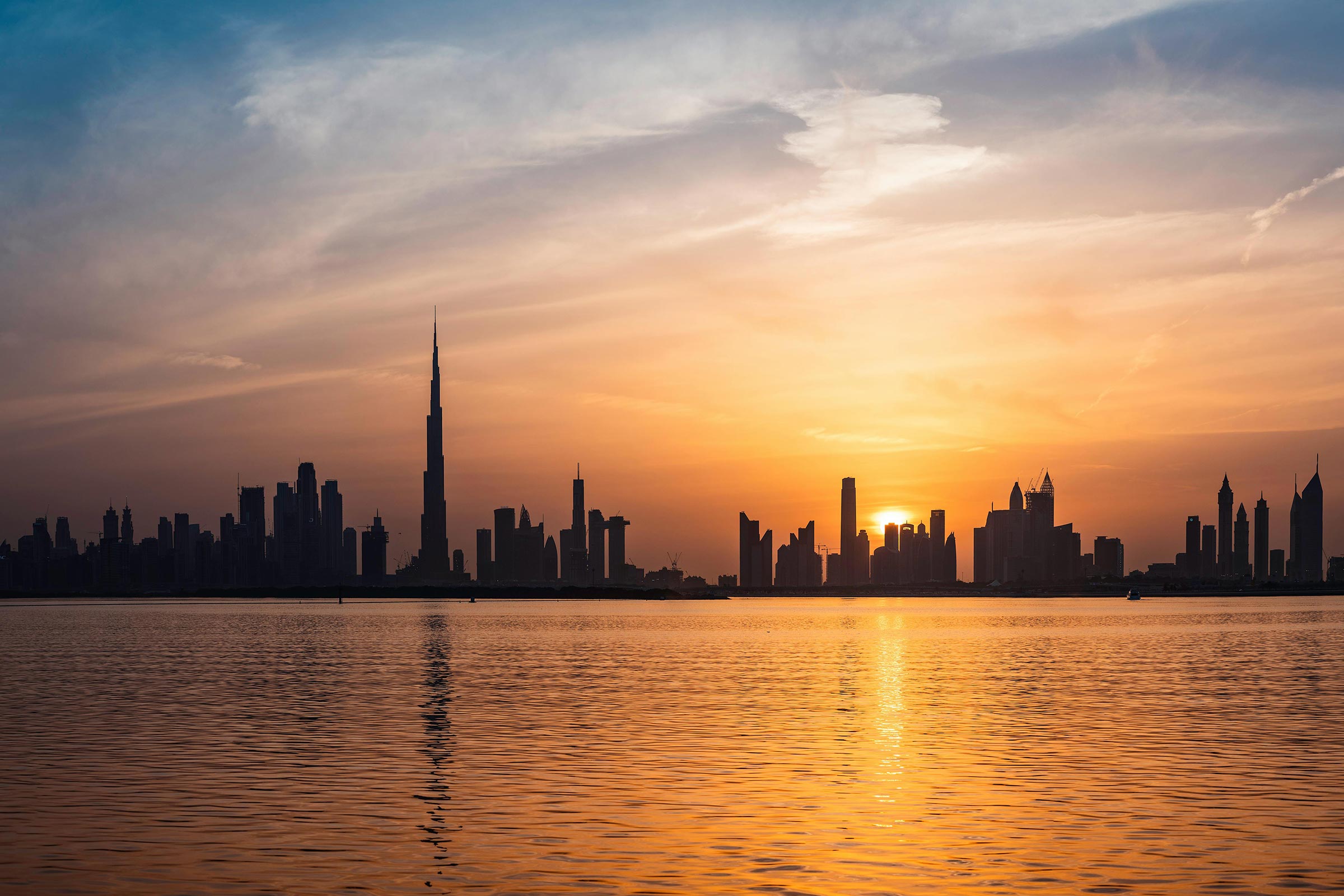
The Bigger Picture
Scroll through the news, and you’ll see Dubai mentioned alongside London, Singapore, and New York when people talk about global real estate hubs. The difference is that Dubai’s momentum feels faster. Prices are still rising, launches are selling out, and international buyers keep showing up with serious intent.
It’s not one factor — it’s a mix of policy, lifestyle, and timing.
Golden Visa Pull
One of the biggest drivers is still the Golden Visa. For years, investors wanted stability and a way to feel anchored in Dubai. Now they have it.
- Buy property worth AED 2 million or more, and you can secure a 10-year residency.
- Families can be sponsored.
- There’s no pressure to physically live here full-time, which makes it appealing for investors who split their time globally.
For many buyers, that residency layer tips the scales between Dubai and other destinations.
Tax Environment
Let’s be blunt: the lack of income tax is still one of Dubai’s strongest selling points. In 2025, with higher taxes in Europe and tighter regulations in Asia, Dubai’s simplicity feels refreshing.
It’s not just about the wealthy — mid-tier investors are also drawn to a system that doesn’t chip away at rental income or capital appreciation.
Currency Advantage
The dollar peg to the dirham has worked in Dubai’s favor. Buyers from weaker-currency markets sometimes feel the stretch, but for dollar, euro, and pound investors, Dubai still looks like value compared to buying prime property in their home countries.
A 1-bedroom in central London or Hong Kong costs more than a 2-bedroom in Downtown Dubai — and the rental yields aren’t even close. That’s an easy comparison for global buyers.
Lifestyle Magnet
Numbers and policies aside, lifestyle is what really seals the deal. For international buyers, Dubai checks boxes that few cities manage to combine:
- Year-round sunshine.
- High-quality schools and healthcare.
- Luxury lifestyle with beaches, restaurants, and retail.
- Safety — consistently ranked among the safest cities globally.
It’s not just investors looking for returns anymore; it’s families looking for a better quality of life.
Global Instability, Local Stability
Another overlooked factor is what’s happening outside Dubai. Political uncertainty in parts of Europe, economic pressures in Asia, and conflict in other regions make Dubai feel like a safe harbor.
It’s a place where you can park wealth, but also where you can actually live in peace. That combination is rare, and buyers know it.
Developer Confidence
The other piece of the puzzle: developers are building for this international audience. Branded residences with global operators, mixed-use communities with international schools, and large-scale projects tied to hospitality brands all speak directly to overseas buyers who want familiarity and trust.
When you see names like LUX*, Six Senses, or Dorchester tied to projects, you know the target isn’t just local.
Data That Backs It Up
- As of mid-2025, over 40% of property transactions in Dubai involve foreign buyers.
- Russians, Indians, British, and Europeans remain top investors, with a growing share from Africa and East Asia.
- Luxury transactions above AED 10 million hit new highs, showing global HNWIs are still betting on Dubai.
The pipeline of off-plan projects suggests developers are banking on this trend to continue well beyond 2025.
A Note of Caution
It’s not all upside. International buyers do face challenges:
- Service charges can be high in lifestyle-focused developments.
- Not every “international-grade” project lives up to the marketing.
- Some currencies are weakening, which means affordability isn’t equal across all markets.
But the balance still tilts in Dubai’s favor — especially when compared to other major cities where entry prices are higher and returns lower.
The Human Side
Talk to international buyers, and you’ll hear stories that numbers don’t capture.
- A German family moving because they wanted a safe base outside Europe.
- A South Asian entrepreneur who picked Dubai because it felt like a hub between his businesses in multiple countries.
- A European couple who sold a small flat in Paris and reinvested in a bigger home in JVC with far better lifestyle value.
It’s these individual stories that show why the international demand isn’t slowing.
Final Word
Dubai in 2025 isn’t just another option on the global property map — it’s the option that keeps ticking the most boxes. Tax benefits, long-term visas, modern infrastructure, and a lifestyle that blends luxury with safety are hard to replicate.
International buyers see it not just as a place to park money, but as a city to actually live, raise families, or split time between continents. That’s why the demand keeps flowing, and why developers are shaping their projects with the world — not just Dubai — in mind.
About QUBE Development:
QUBE Development, a subsidiary of DHG Investments, is a leading real estate developer in Dubai of high-quality residential and commercial properties. Standing on a 30-year legacy of experience and excellence, QUBE is dedicated to transforming living spaces in the UAE by integrating sustainable architecture, captivating design, and unparalleled amenities.
As a community-focused property developer in Dubai, QUBE Development aims to set the benchmark for real estate development by creating the foundation for generational wealth for customers. The company prioritizes durability and quality in every project. Expanding its portfolio throughout the UAE, QUBE Development responds swiftly to the evolving market demands, maintaining a commitment to providing the highest quality builds through collaborations with world-renowned architects and in partnership with a dedicated contractor to ensure meticulous attention to design and construction.
Real Estate In Dubai UAE | Real Estate Company In Dubai | Top Property Developers In Dubai | Buy Dubai Property | Real Estate Developer In Dubai | Off Plan Dubai | Off Plan Property Dubai